THE COVERALL JACKET: MENSWEAR’S MOST WANTED ITEM FEELS LIKE A NECESSARY RESET
If there’s one item quietly taking over menswear right now, it’s the coverall jacket. Once reserved for manual labor and utilitarian wardrobes, it has re-emerged as a defining piece of contemporary style, showing up everywhere from street style to luxury runways. But what exactly is driving the rise of the coverall jacket in 2026? And why does it feel less like a fleeting trend and more like a wardrobe essential?
From Workwear Staple to Fashion Mainstay
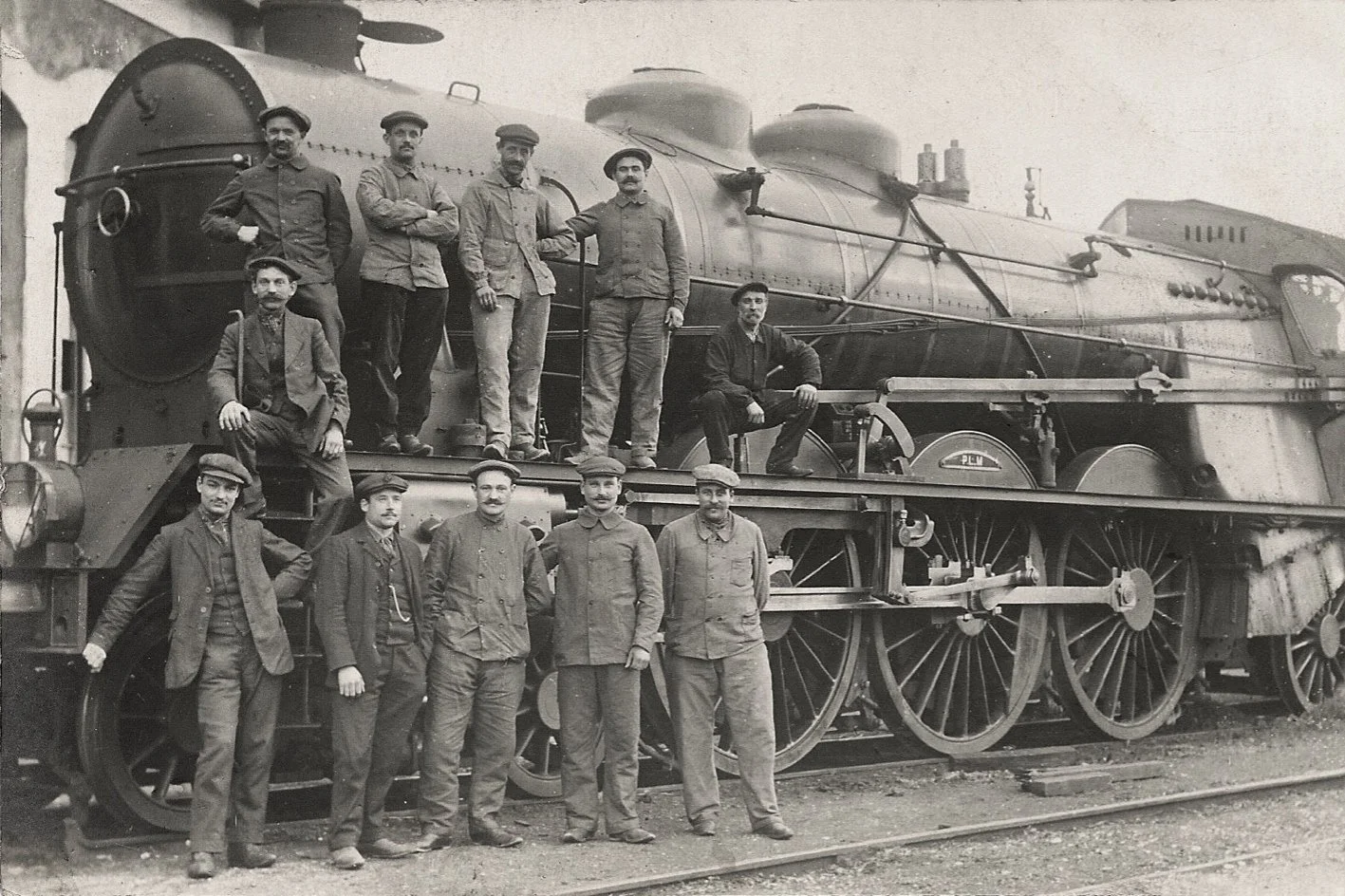
The origins of the coverall jacket date back to 19th-century France, where it was worn by railroad workers who needed durable, functional garments. Built to withstand physical labor, the design prioritized utility: sturdy fabrics, practical cuts, and multiple pockets. By the early 20th century, American brands like Levi’s and Carhartt adapted the style, turning it into a recognizable four-pocket workwear staple. After World War II, surplus production led to these garments entering civilian wardrobes at affordable prices, marking the beginning of workwear’s long-standing influence on fashion. Since then, workwear has consistently resurfaced in menswear, each time reflecting a cultural shift toward authenticity and practicality.
Why the Coverall Jacket Is Trending Now
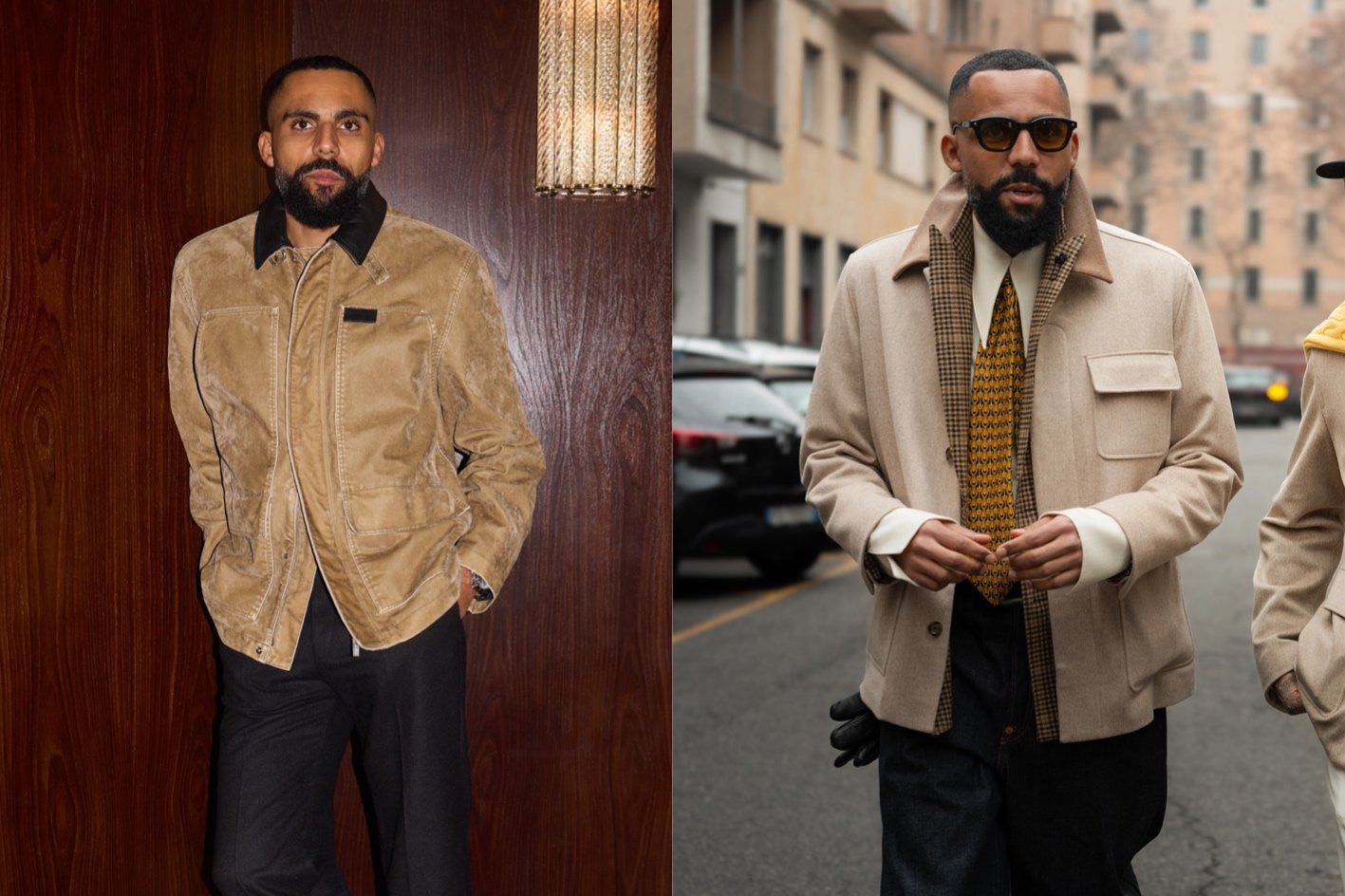
The current resurgence of the coverall jacket aligns perfectly with where menswear is heading. In contrast to trend-driven fashion cycles, today’s aesthetic leans toward longevity, wearability, and character. The appeal lies in its imperfections. Fabrics that age well, visible signs of wear, and a lived-in look all contribute to a broader shift: patina over perfection. The coverall jacket embodies this mindset effortlessly, offering a silhouette that feels both timeless and relevant. It’s not trying to be fashionable, which is exactly why it is.
The Luxury Evolution of Workwear
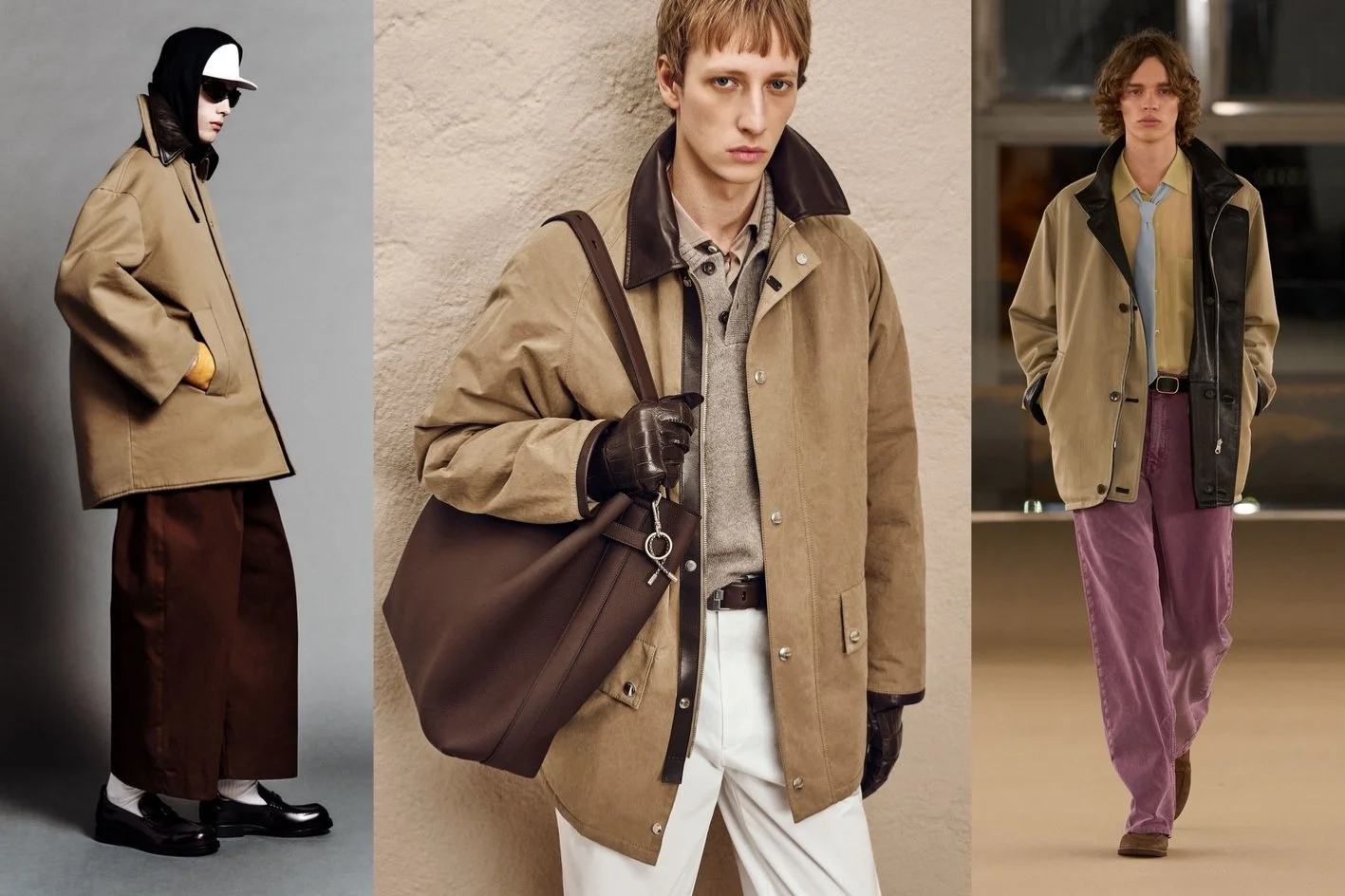
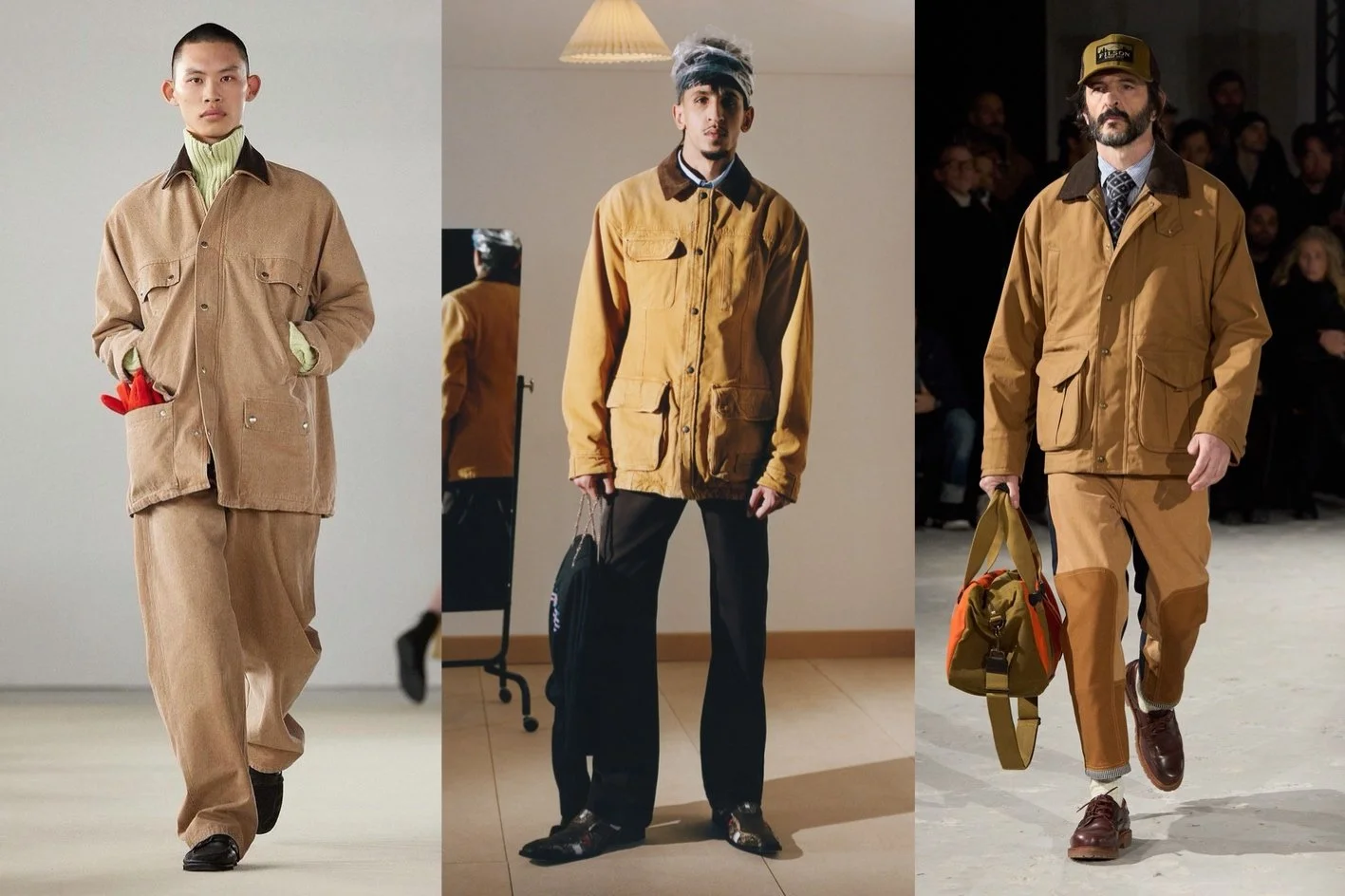
Luxury fashion houses have played a key role in elevating the coverall jacket. Brands like Prada, Loewe, Maison Margiela, and The Row have incorporated it into their collections, refining its proportions and materials without losing its utilitarian DNA. Recent Fall/Winter 2026 collections further cement its relevance: Balenciaga presented boxy, oversized versions paired with wide-leg trousers. Auralee experimented with elevated fabrics and textures. Tod’s delivered clean, refined interpretations. Martine Rose introduced distressed, patina-heavy variations. And Ferragamo offered polished versions fit for fashion week wardrobes. A notable detail across many of these iterations is the leather collar. An evolution that subtly nods to heritage while adding a sense of luxury.
The Barbour Effect: A Natural Progression
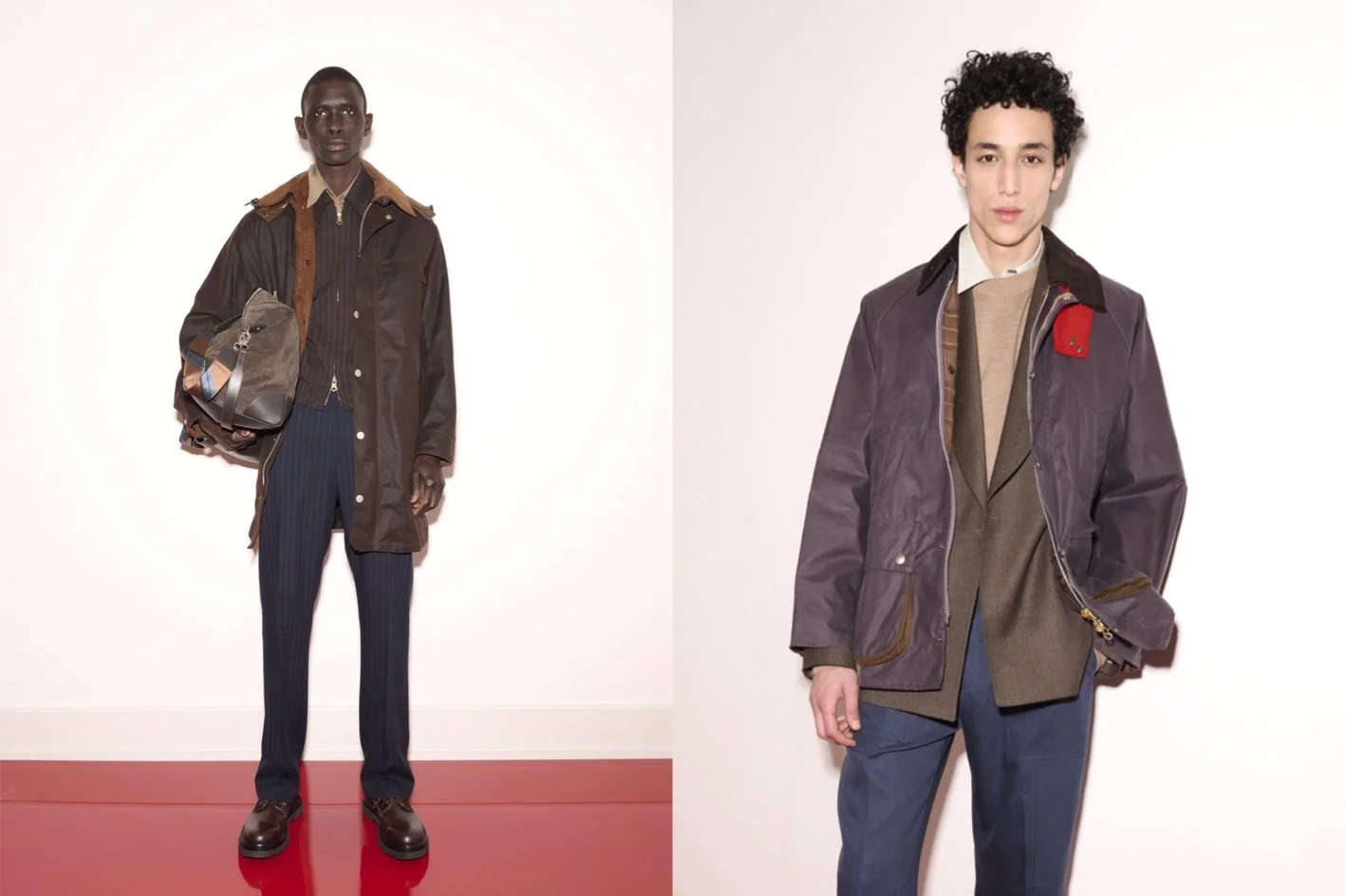
The rise of the coverall jacket didn’t happen in isolation. It follows the mainstream revival of the iconic Barbour jacket, which dominated insider fashion over the past year. If the Barbour represented a return to heritage outerwear, the coverall jacket feels like its next step: slightly more structured, often more minimal, and in many cases, more elevated. Think of it as the cleaner, more fashion-forward evolution of the same idea.
How to Style the Coverall Jacket in 2026
Part of the jacket’s appeal is its versatility. It works across multiple style directions without feeling forced: Pair it with relaxed tailoring for a modern, lived-in look. Combine it with denim or work pants for a full workwear aesthetic. Dress it up with refined trousers and leather shoes for contrast, even layer ot over a blazer. Most importantly: Lean into oversized silhouettes for a more directional approach. The key is balance, letting the jacket’s utilitarian roots anchor the outfit while adapting it to your personal style.
More Than a Trend: A Shift in Menswear
What makes the coverall jacket particularly relevant right now is what it represents. Menswear is moving away from performative fashion and toward something more grounded: clothes that feel honest, wearable, and built to last. In that context, the coverall jacket doesn’t just fit in, it leads the conversation. It’s functional. It’s adaptable. And it carries a history that adds depth rather than nostalgia. Most importantly, it was never designed to look cool. And that might be exactly why it does.